In the vast and competitive digital landscape, what separates a successful web application from a failed one? Is it the power of the underlying code? The speed of the server? The complexity of its features? While these are all crucial components, they are not what a user experiences first. A powerful engine is useless if the driver has no steering wheel, and the most brilliant features are worthless if a user can’t find or understand how to use them. This is where the critical discipline of UI/UX design comes into play. Understanding the role of UI/UX is fundamental to building any digital product that aims to succeed.
Welcome to the definitive StraStan Solutions Corp. guide on the pivotal role of UI/UX in web development. We are incredibly enthusiastic to explore this topic because, in our years of building sophisticated digital solutions for businesses across the Philippines, we’ve seen one truth confirmed time and time again: a deep focus on the user is the single greatest predictor of a product’s success. This guide will demystify the terms “UI” and “UX,” explore the profound difference between them, and illustrate why investing in a robust UI/UX design process is not an optional expense, but a core driver of business growth, user satisfaction, and long-term ROI.
This isn’t just a guide for designers. It’s for business leaders, project managers, and marketers who want to understand how to build a product that people will love to use. At StraStan, our full-stack development and application architecture services are always guided by a user-centric philosophy. We believe that great technology should feel effortless to the user. Let’s dive into the fascinating world of UI/UX design and discover how it can transform your next web development project from a functional tool into an unforgettable experience.
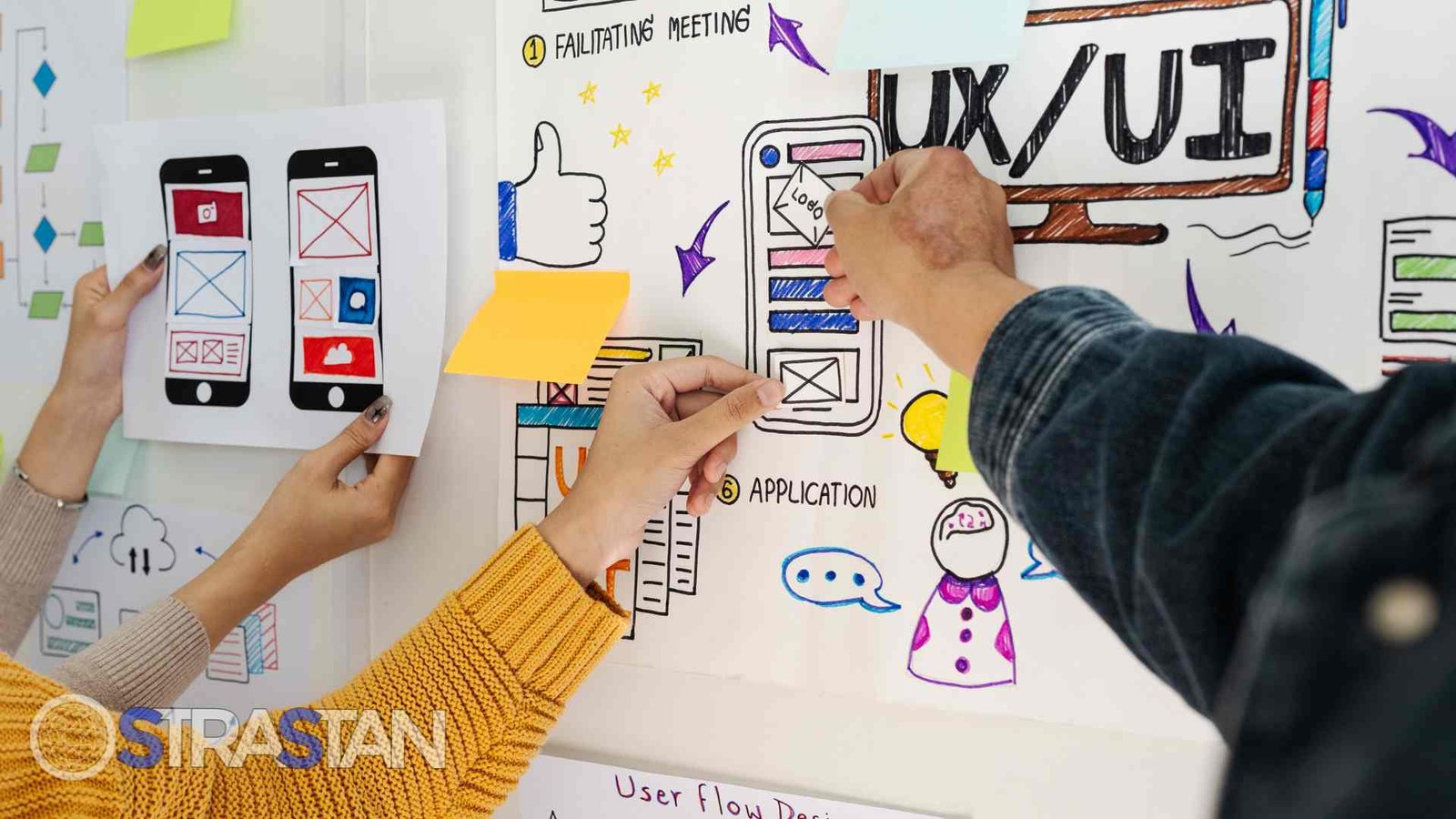
Defining the Terms: What Is the Difference Between UI and UX Design?
Before we can appreciate the importance of UI/UX, we must first understand the terms themselves. They are often used interchangeably, but they represent two distinct, though deeply intertwined, disciplines. Getting this difference right is the first step. Understanding the key differences is essential for any team building a digital product.
What is User Experience (UX) Design?
User Experience, or UX design, is the all-encompassing process of enhancing a user’s satisfaction and affinity by improving the usability, accessibility, and pleasure provided in the interaction with a product. It’s not about how a product looks; it’s about how it feels to use it. UX design is the invisible architecture of a feeling.
The term was coined in the early 1990s by Don Norman, a cognitive scientist who joined Apple as their User Experience Architect. As Don Norman himself explained, he invented the term because he felt that existing terms like “human interface” were too narrow. He wanted to cover all aspects of the person’s experience with the system, including the industrial design, the interface, the physical interaction, and the manual. This holistic view is the essence of UX design.
The primary goal of UX design is to make a product:
Useful: Does it solve a real problem for the user?
Usable: Is it easy and intuitive to navigate? Can a user accomplish their goals without frustration?
Desirable: Does the experience create a positive emotional connection that makes the user want to use the product?
Findable: Can the user easily find the information or features they are looking for?
Accessible: Can people with disabilities use the product?
Credible: Does the user trust the product and the company behind it?
A UX designer is a problem-solver who obsesses over the user’s journey. They are the advocate for the user, ensuring the final product is logical, efficient, and enjoyable. The work of UX design is analytical and research-driven.
What is User Interface (UI) Design?
User Interface, or UI design, is a subset of UX design. If UX is the overall feeling of the journey, UI is the set of specific signposts, controls, and visual elements that the user interacts with along the way. UI design is the process of making the interface of a digital product beautiful, visually consistent, and easy to interact with. It’s the “look” part of the “look and feel.”
A UI designer is responsible for the visual design and interactivity of the product. Their work is focused on the tangible, graphical elements. The primary goal of a UI designer is to create an interface that is:
Clear: The user should be able to understand the interface at a glance.
Consistent: Buttons, icons, and other interactive elements should behave consistently throughout the product.
Familiar: The interface should use conventions that the user already understands from other applications.
Efficient: The layout should allow the user to accomplish tasks with a minimum number of clicks and actions.
Attractive: The visual design, including the color scheme and typography, should be aesthetically pleasing and aligned with the brand’s identity.
The UI designer is a visual artist and a digital craftsman. They translate the structural blueprints created by the UX designer into a polished, tangible screen. A good UI designer has a deep understanding of graphic design, color theory, and interaction design. The role of the UI designer is to create the aesthetic experience.
The Key Differences Summarized
To put it simply, here are the key differences:
UX design is about the overall journey and how it feels. A UX designer is concerned with the entire process a user goes through to solve a problem.
UI design is about the specific touchpoints and how they look and function. A UI designer is concerned with the visual elements the user interacts with on the screen.
UX design comes first in the product development process, defining the core structure and flow.
UI design comes second, adding the visual layer and interactivity to the UX foundation.
Think of it this way: a UX designer decides where the buttons should go on a page to make the user’s task as easy as possible. The UI designer decides what those buttons will look like—their shape, size, and color scheme—to make them clear and appealing. You need both for a successful product. This difference is a crucial part of modern digital design.
The UX Design Process: Architecting the User’s Journey
Great UX design is not the result of guesswork or a designer’s intuition alone. It is a systematic, research-based process designed to deeply understand the user and their needs. At StraStan, our Business Analysis services are deeply integrated with this process, ensuring that every product we build is grounded in real user insights. The UX design process is about building empathy for the user.
Step 1: UX Research – Understanding the User and the Problem
This is the foundational stage of all UX design. Before any design work can begin, the UX designer must become an expert on the target audience and the problem the product aims to solve. This involves a variety of UX research methods.
User Interviews: Speaking directly to potential users to understand their goals, motivations, and current pain points. This provides rich qualitative data.
Surveys: Gathering quantitative data from a larger group of users to identify trends and validate assumptions.
Competitive Analysis: Analyzing competitors’ products to understand their strengths and weaknesses, and to identify opportunities for differentiation.
Stakeholder Interviews: Interviewing key stakeholders within the business to understand the project’s goals, constraints, and success metrics.
The goal of this UX research is to move beyond assumptions and base the product strategy on real data. This is the most important part of the UX design process.
Step 2: Analysis and Definition – Synthesizing the Research
Once the UX research is complete, the UX designer’s next task is to make sense of all the data they have collected. They synthesize the research to create clear, actionable artifacts that will guide the design process.
User Personas: These are fictional characters created to represent the different user types that might use the product. A persona includes details about the user’s goals, needs, and pain points. It helps the entire team maintain a shared understanding of and empathy for the target audience.
User Journey Maps: This artifact visually maps out the entire experience a user goes through to accomplish a goal. It helps identify opportunities to improve the experience and address potential pain points.
Problem Statements: The designer distills the core user problem into a clear, concise statement that the team can rally around.
This analysis phase ensures that the design work is focused on solving the right problems for the right user.
Step 3: Ideation and Design – Structuring the Solution
With a clear understanding of the user and the problem, the UX designer begins to structure the solution.
Information Architecture: This is the practice of organizing and structuring the content and features of the product in a logical and intuitive way. Good information architecture ensures that a user can easily find what they are looking for. The role of information architecture is to create a clear blueprint for the product’s content.
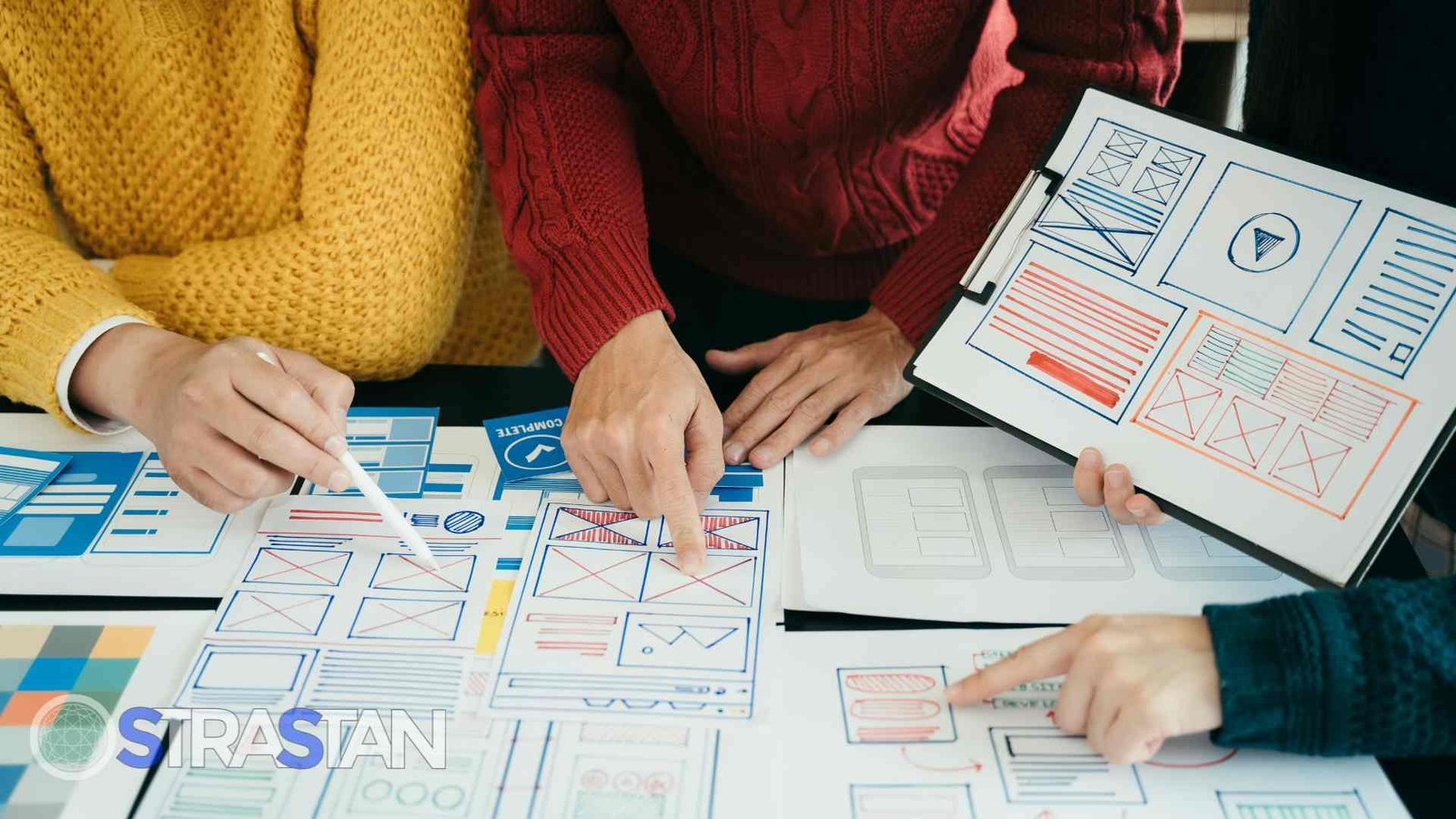
Wireframing: A UX designer creates low-fidelity, black-and-white layouts of the product’s screens. Wireframes are like architectural blueprints; they focus on structure, layout, and content hierarchy, without getting distracted by visual design elements like colors or fonts.
Prototyping: The designer then creates interactive prototypes. These can range from simple clickable wireframes to high-fidelity mockups that look and feel like the final product. Prototypes allow the team and potential users to test the flow and usability of the product before any code is written.
Step 4: Testing and Validation – Getting User Feedback
The final stage of the UX design process is to test the design with real users.
Usability Testing: The designer observes a user as they attempt to complete tasks using the prototype. This process reveals any areas of confusion or frustration in the design.
Iteration: Based on the feedback from usability testing, the designer goes back and refines the design. UX design is an iterative process of designing, testing, and refining until the product is as easy and enjoyable to use as possible.
This rigorous, user-centered process ensures that the final product is not just a collection of features, but a thoughtfully designed solution that truly meets the needs of its target audience.