Master the Dev Lifecycle: The 7 Crucial Stages of Web Development

In the thrilling world of digital transformation, an idea is just the beginning. The journey from a brilliant concept to a fully functional, high-performing web application is a structured, intricate, and fascinating process. This journey is professionally known as the Software Development Lifecycle (SDLC), or more simply, the web dev lifecycle. Understanding this dev lifecycle is not just for developers; it’s essential for business leaders, project managers, and anyone invested in creating successful digital products. A flawed understanding of this critical process can lead to missed deadlines, budget overruns, and software that fails to meet expectations.

Welcome to the definitive StraStan Solutions Corp. guide to the 7 key stages of the web dev lifecycle. We are passionate about demystifying this process for our partners. As a leading Philippine-based IT services and digital marketing firm, we navigate this dev lifecycle every single day, guiding businesses from a wide range of industries toward digital excellence. This article will break down each stage, explaining its purpose, the key activities involved, and how our expert teams at StraStan bring value to every step. We’ll explore different SDLC models, the paramount importance of security, and the best practices that ensure the final software is not just functional, but exceptional.

This isn’t just a theoretical overview; it’s a practical roadmap based on our extensive experience building robust software solutions. We want to take you behind the scenes of professional software development, showing you how a disciplined approach to the dev lifecycle transforms a plan into a powerful piece of software. Let’s embark on this journey and explore the structured path to creating world-class software.
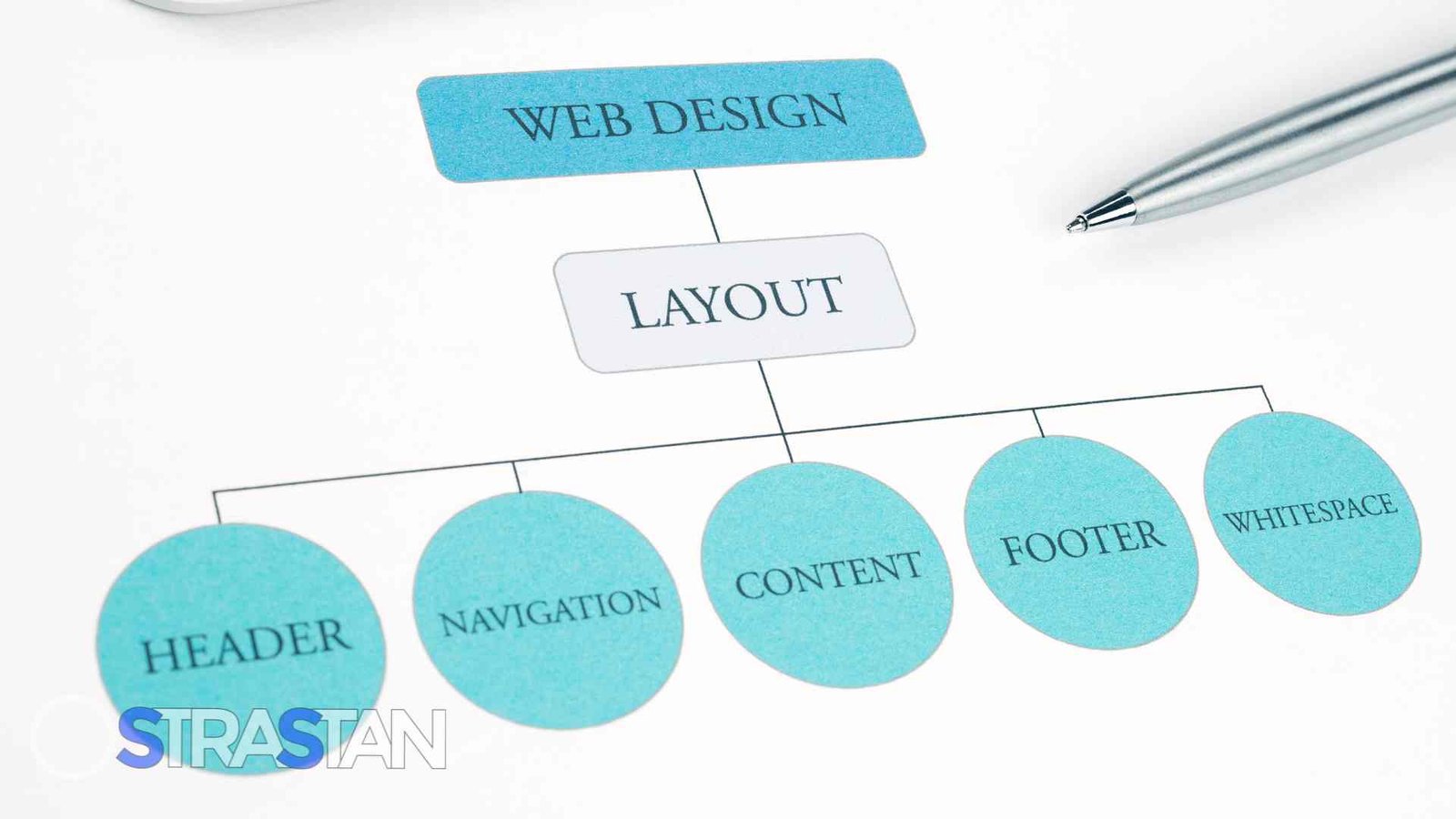
A flow chart with "Web Design" and "Layout" nodes, representing the design and architectural stages of the dev lifecycle.

Stage 1: The Planning and Requirements Analysis Phase

Every successful software project begins not with a line of code, but with a conversation and a solid plan. This initial stage of the dev lifecycle, the planning phase, is arguably the most critical. It lays the foundation for the entire project, and any oversights here can have cascading negative effects on the final software. This is where our Business Analysis services at StraStan shine, ensuring every project starts with clarity, alignment, and a strategic vision. The goal of this SDLC phase is to define the project’s scope and requirements.

The core of this stage is gathering and analyzing requirements. This involves deep-dive sessions with all project stakeholders—the client’s leadership team, marketing department, end-users, and any other relevant parties. We work to understand the “what” and the “why” behind the new software. What problems will this software solve? Who are the target users? What are the key features needed? What are the business goals and how will we measure success? The output is a detailed requirements document that acts as the project’s bible.

This document covers several types of requirements:

  • Functional Requirements: These define what the software must do. For example, “Users must be able to create an account,” or “The software must generate a monthly sales report.”

  • Non-Functional Requirements: These define how the software must perform. This includes aspects like performance (e.g., “The pages must load in under 2 seconds”), usability, and, critically, security.

  • Security Requirements: In today’s threat landscape, security is not an afterthought; it’s a foundational requirement. From the very beginning of the SDLC, we define the necessary security protocols, data privacy needs (especially important for compliance in industries like healthcare and finance), and access control measures. A strong security posture begins with strong security requirements.

Once the requirements are clear, the next step is creating the project plan. This comprehensive plan outlines the project scope, timeline, budget, and resource allocation. It includes a thorough risk management strategy, identifying potential obstacles and creating contingency plans. This project planning ensures that we have a clear roadmap and that customer expectations are aligned with reality from day one. This initial plan is the first model of the project’s execution. A well-defined plan is essential for any software development team to succeed. The development team needs this clarity to perform their tasks effectively. This planning phase sets the tone for the entire software development process.

Stage 2: The Design and Architecture Phase

With a solid plan and a clear set of requirements, the dev lifecycle moves into the design and architecture phase. This is where we translate the “what” from the previous stage into the “how.” It’s the blueprinting stage, where the abstract ideas for the software take a concrete, visual, and technical form. This is the domain of our Application Architecture and Design experts at StraStan, who craft a robust and scalable blueprint for the development team to follow. The quality of the design directly impacts the quality of the final software.

This phase has two primary streams of work:

1. UI/UX Design (The User-Facing Design)

This focuses on the user experience (UX) and the user interface (UI). The goal is to design software that is not only aesthetically pleasing but also intuitive, efficient, and enjoyable to use for the target end-user.

  • Wireframing & Prototyping: Our designers create low-fidelity wireframes to map out the basic structure and layout of the software. These evolve into high-fidelity, interactive prototypes that look and feel like the real software. This allows stakeholders and potential users to test the flow and usability of the application long before any code is written. This iterative design process helps refine the user experience early in the SDLC.

  • Visual Design: This involves defining the software’s visual identity—colors, typography, iconography, and overall style—to create a cohesive and professional look that aligns with the client’s brand. A great design enhances the perceived value of the software.

2. System Architecture (The Technical Design)

This is the technical blueprint that defines the underlying structure of the software. It’s a critical step that dictates the software’s performance, scalability, and security. Key decisions made here include:

  • Technology Stack Selection: Choosing the right programming languages, frameworks, and databases (e.g., React for the front-end, Python/Django for the back-end, PostgreSQL for the database). This choice is based on the project’s specific requirements.

  • Data Model Design: Designing how data will be structured, stored, and accessed within the database. A well-designed data model is essential for performance and integrity.

  • Security Architecture: This is a crucial part of the design phase. We design a robust security model for the software, defining how authentication and authorization will work, how data will be encrypted, and how the software will be protected from common vulnerabilities. A strong focus on security at the design stage is a core tenet of a secure SDLC. This security design is a critical component of the overall software architecture.

The output of this stage is a complete design specification document. This document provides the development team with everything they need to know to start building the software, ensuring that the code they write will align perfectly with the business goals and technical architecture. This design model is the guide for the entire development phase.

Stage 3: The Development and Coding Phase

This is the stage of the dev lifecycle that most people picture when they think of software development. It’s where the blueprints from the design phase are used to build the actual software. The development team, composed of skilled front-end and back-end developers, gets to work writing the code. At StraStan, our full-stack web application development team takes the lead here, transforming the design into a tangible, working product. This is the heart of the development process.

The work is typically split into two areas:

  • Front-End Development: The developers write the client-side code (using HTML, CSS, and JavaScript frameworks like React or Vue.js) that creates the user interface. This is the part of the software that users see and interact with in their browser. The code written here must be clean, efficient, and perfectly match the approved UI design.

  • Back-End Development: The developers write the server-side code (using languages like Python, Node.js, or PHP) that handles the business logic, database interactions, and user authentication. This code is the engine of the software, doing the heavy lifting behind the scenes.

Throughout this development phase, our developers adhere to strict coding standards and best practices. This includes:

  • Writing Clean, Maintainable Code: The code is not just written to work; it’s written to be easily understood, modified, and maintained in the future. This is crucial for the long-term health of the software.

  • Version Control: Using systems like Git, all code changes are tracked in a central repository. This allows the development team to collaborate effectively, manage different versions of the software, and roll back changes if needed.

  • Secure Coding Practices: The development team is trained to write secure code from the ground up. This involves following best practices to prevent common security vulnerabilities like SQL injection, cross-site scripting (XSS), and insecure authentication. Every line of code is written with security in mind. This is a fundamental part of a secure SDLC model.

The development process is often iterative, especially when using an Agile model. The software is built in small, incremental pieces, allowing for regular feedback and adjustments along the way. This ensures that the final product is precisely what the stakeholders envisioned. The quality of the code produced in this phase is a direct reflection of the skill of the development team.

Two people pointing at code on a laptop, symbolizing the coding and collaboration stages of the dev lifecycle.

Stage 4: The Testing and Quality Assurance Phase

Once the initial code for the software has been written, it’s time for the most rigorous stage of the dev lifecycle: the testing phase. Building software without a dedicated testing phase is like building a car and never test-driving it. The goal here is simple: to find and identify any defects, bugs, or inconsistencies before the software reaches the end-user. A strong focus on quality assurance ensures that the software is reliable, functional, and meets all the specified requirements.

Testing is a multi-layered process, not a single event. A comprehensive test plan is executed, which includes several types of tests:

  • Unit Testing: Developers test individual components or small pieces of code in isolation to ensure they work correctly. This is the first level of testing.

  • Integration Testing: Once individual units are tested, they are combined and tested as a group to ensure they interact with each other as expected. This test checks the connections between different parts of the software.

  • System Testing: The entire software system is tested from end to end to ensure it meets all the functional and non-functional requirements. This is a comprehensive test of the complete, integrated software.

  • Performance Testing: We test the software under heavy load to measure its responsiveness, speed, and stability. This ensures the software can handle real-world usage without crashing or slowing down.

  • Security Testing: This is a critical part of the testing phase. Our team performs vulnerability scans and penetration tests to proactively identify and fix security weaknesses in the code and infrastructure. A dedicated security test is essential for any modern software.

  • User Acceptance Testing (UAT): A group of actual end-users test the software to see if it meets their needs and expectations in a real-world scenario. Their feedback is invaluable for ensuring a positive user experience.

During this testing phase, any identified bugs or issues are logged, prioritized, and sent back to the development team to fix bugs. The cycle of “test, find bug, fix bug, re-test” continues until the software reaches a state of high quality and stability. This rigorous process is what separates professional software development from amateur efforts. It’s a critical component of any successful SDLC model.

Stage 5: The Deployment Phase

After the software has been thoroughly developed, tested, and approved, the dev lifecycle moves to the exciting deployment stage. This is the moment of truth where the software is released from the development environment and made available to users. At StraStan, our Cloud Transformation services play a pivotal role here, ensuring a smooth, secure, and scalable deployment to a production environment.

The deployment process involves several key tasks:

  • Infrastructure Provisioning: We set up the production server environment on a cloud platform like Amazon Web Services (AWS), Google Cloud, or Microsoft Azure. This includes configuring servers, databases, and networking components. Our goal is to create a cost-effective and scalable infrastructure model that can grow with the client’s business.

  • Code Deployment: The tested and approved code is transferred from the code repository to the production servers. This process is often automated using CI/CD (Continuous Integration/Continuous Deployment) pipelines, which makes deployments faster, more reliable, and less prone to human error.

  • Data Migration: If the new software is replacing an old system, any existing data must be carefully migrated to the new database. This is a delicate process that requires a solid plan to ensure no data is lost or corrupted.

  • Final Checks: Once deployed, the development team performs a final round of “smoke tests” on the live software to ensure everything is working as expected in the production environment.

A successful deployment is a carefully orchestrated event. It requires a detailed deployment plan and close collaboration between the development team and the operations team. The goal is to make the software live with minimal disruption to users. The security of the live environment is paramount, and our team implements robust cloud security best practices to protect the software from threats.

Stage 6: The Maintenance and Support Phase

The launch of the software is not the end of the dev lifecycle; it’s the beginning of its life in the real world. The maintenance and support phase is an ongoing process that ensures the software remains functional, secure, and relevant over time. This long-term commitment is a key part of the value we offer at StraStan. A piece of software is a living asset that requires continuous care.

This phase of the SDLC involves several key activities:

  • Monitoring: We continuously monitor the software’s performance, uptime, and security in the live environment. Automated alerts notify our team immediately if any issues arise, allowing for proactive intervention.

  • Bug Fixes: No matter how thorough the testing, some minor bugs may only appear once the software is used by a large number of people. The maintenance team is responsible for identifying, prioritizing, and deploying fixes for these issues.

    • Updates and Patches: The digital world is constantly changing. Operating systems get updated, security vulnerabilities are discovered in third-party libraries, and new browser versions are released. The software must be regularly updated to remain compatible and secure. Applying security patches promptly is a critical part of ongoing software security.

    • Adding New Features: As the business evolves, the software will need to evolve with it. This phase often involves a mini-dev lifecycle for developing and deploying new features based on user feedback and changing business requirements. This could involve adding a new payment method, a new report, or even integrating a machine learning model to provide new insights.

    This ongoing development cycle ensures that the software continues to deliver value long after its initial launch. It’s a partnership between the development team and the client to ensure the software’s long-term success.

Stage 7: The Marketing and Growth Phase (The StraStan Advantage)

A traditional SDLC model often ends with maintenance. However, at StraStan, we believe a truly successful dev lifecycle doesn’t just result in working software; it results in software that achieves its business goals. That’s why we consider Marketing and Growth to be the crucial seventh stage. What good is a brilliant piece of software if no one knows it exists or how to use it?

This is where our Strategic Digital Marketing services integrate seamlessly with our software development process. Once the software is live, our work continues:

  • Search Engine Optimization (SEO): For web applications, we ensure the software is optimized to rank high on search engines, driving organic traffic and attracting new users.

  • Content & Social Media Marketing: We create compelling content and manage social media campaigns to build a community around the software, educate users, and drive adoption.

  • Analytics and Reporting: We use advanced analytics tools to track user behavior, measure key performance indicators (KPIs), and provide our clients with clear, actionable insights. This data is then fed back into the dev lifecycle to inform decisions about new features and improvements.

This holistic approach ensures that the software we build doesn’t just function correctly from a technical standpoint but also succeeds in the marketplace. It’s a strong focus on delivering measurable ROI and a testament to our commitment to our clients’ overall business growth. This completes the full circle of the software dev lifecycle.

Understanding Different SDLC Models

The 7 stages we’ve outlined are the core components of any dev lifecycle, but how they are arranged and executed can vary. This is determined by the chosen SDLC model or methodology. The choice of model depends on the project’s complexity, the clarity of the requirements, and the client’s preference. At StraStan, our dynamic project management expertise allows us to be flexible and apply the best model for the situation.

Here are a few common SDLC models:

The Waterfall Model

This is the most traditional SDLC model. It’s a linear, sequential approach where each phase of the dev lifecycle must be fully completed before the next one begins. The entire set of requirements is defined upfront.

  • Pros: Simple to understand and manage. Great for small projects where requirements are crystal clear and unlikely to change.

  • Cons: Very rigid. There’s no room for changing requirements once a phase is complete. A mistake made in an early phase can be very costly to fix later in the SDLC.

The Agile Model

Agile is an iterative and incremental approach. Instead of a single, long dev lifecycle, the project is broken down into small, manageable cycles called “sprints.” Each sprint goes through its own mini-dev lifecycle (plan, design, code, test) and results in a small, shippable piece of software.

  • Pros: Highly flexible and adaptive to change. Encourages collaboration between the development team and stakeholders. Delivers value to users faster. This is an excellent model for complex projects where requirements may evolve.

  • Cons: Requires a high degree of client involvement. Can be less predictable in terms of final delivery date and cost if the scope changes frequently.

The Spiral Model

This model combines elements of the Waterfall model with the iterative nature of prototyping. The dev lifecycle moves in spirals, with each spiral representing a phase of the software development process. It has a strong focus on risk management.

  • Pros: Excellent for large, high-risk, and complex projects. Risk analysis is built into every phase of the SDLC.

  • Cons: Can be expensive, as it requires expertise in risk evaluation. It’s often overkill for smaller or low-risk software projects.

Our project managers are adept at blending these frameworks (e.g., using a Hybrid model or applying PRINCE2 governance to an Agile project) to create a tailored development process that ensures both adaptability and control. The right SDLC model is key to a successful software outcome.

Frequently Asked Questions (FAQs)

Q: What is the most important stage of the web dev lifecycle?

A: While every stage is crucial, many experts argue that the first stage, Planning and Requirements Analysis, is the most important. A mistake or misunderstanding in this phase can doom the entire software project, no matter how well the code is written or tested. A solid plan and clear requirements are the bedrock of successful software.

Q: How long does a typical software development lifecycle take?

A: This is one of the most common questions, and the answer is: it depends entirely on the software. A simple software application for a small project might have a dev lifecycle of 2-4 months. A large, complex enterprise software system could have a dev lifecycle spanning a year or more, with ongoing maintenance and updates for many years after.

Q: How does StraStan ensure software security throughout the SDLC?

A: We take a “security-by-design” approach. Security is not a separate step but is integrated into every phase of the SDLC model. This includes defining security requirements in the planning phase, creating a secure architecture in the design phase, writing secure code during development, and performing rigorous security testing before deployment. We also provide ongoing security monitoring and patching during the maintenance phase. This holistic approach to software security is one of our core best practices.

Q: Which SDLC model is best for my project?

A: The best SDLC model depends on your project’s specific characteristics. If you have very clear, fixed requirements and a smaller scope, the Waterfall model might be suitable. If your project is complex, your requirements might evolve, and you want to see progress incrementally, an Agile model is almost always the better choice. Our team will work with you during the planning phase to select the methodology that best fits your needs.

Q: What is the role of the development team in the SDLC?

A: The development team is central to the entire SDLC. While their primary role is in the development phase writing code, they are involved throughout. They provide technical input during the planning and design phases, collaborate with QA testers during the testing phase, manage the deployment, and provide long-term maintenance and support for the software. A skilled and collaborative development team is the engine of the dev lifecycle.

Conclusion: Your Partner Through the Entire Dev Lifecycle

The web dev lifecycle is a proven, structured framework for transforming a great idea into a high-quality, secure, and successful software product. By following these seven key stages—from meticulous planning and user-centric design to disciplined coding, rigorous testing, seamless deployment, diligent maintenance, and strategic growth—we can navigate the complexities of software development with confidence and precision.

Understanding this process empowers you as a business leader to engage meaningfully with your development partner, ask the right questions, and appreciate the value delivered at each step. The choice of the right SDLC model, a relentless focus on security, and adherence to best practices are what separate exceptional software from the rest.

At StraStan Solutions Corp., the dev lifecycle is the language we speak. It’s the framework through which we deliver excellence and innovation to our clients in the Philippines and beyond. We are more than just a vendor; we are your dedicated partner, ready to guide you through every stage of this exciting journey.

Ready to bring your software idea to life with a partner who masters the entire dev lifecycle?

Contact us today. Let’s start the conversation and build something extraordinary together.

What do you think?

Leave a Reply

Your email address will not be published. Required fields are marked *

Related articles

Contact us

Connect with StraStan

Embark on a strategic partnership with us for top-tier IT and Digital Marketing solutions. We are eager to address your inquiries and guide you in selecting the services that best align with your objectives. Here’s what sets us apart:

Next Steps:
1

Schedule a call at your convenience 

2

Engage in a detailed discovery and consulting session

3

Receive a tailored proposal that meets your needs

Book Your Free Consultation